Sold Out and Selling for Triple: How Dansky Turned Comedy Tickets Into a Hot Commodity
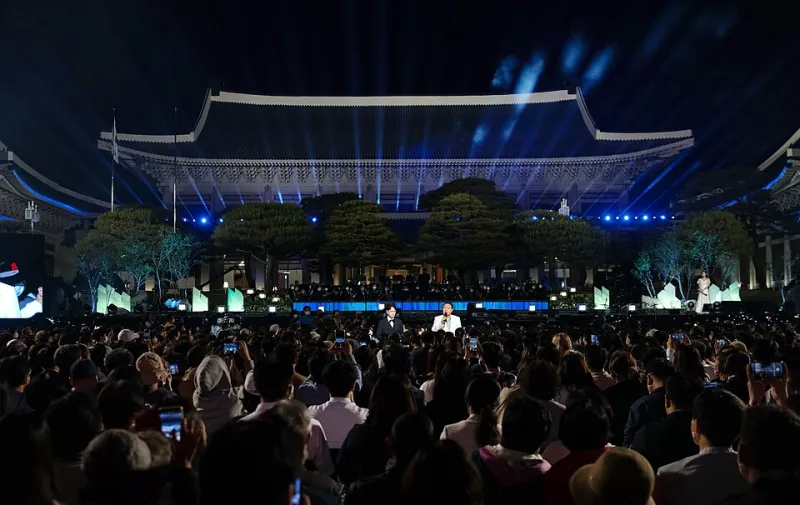
Photo: Republic of Korea from Seoul, Republic of Korea, CC BY-SA 2.0, via Wikimedia Commons
There's a particular kind of panic that sets in when you realize a Dansky show near you just sold out in under twelve minutes. You refresh the page. You check StubHub. You see face-value tickets already listed at two and a half times what they were going for an hour ago. And somehow — somehow — people are buying them.
This isn't the story of a rock concert or a pop star's stadium run. This is comedy. And yet, Dansky has turned the secondary ticket market into something that looks a whole lot more like a Taylor Swift presale than a typical night at the laugh factory.
So what's actually going on here? We spent time talking to ticket brokers, longtime fans, and a few industry analysts who study live entertainment economics to figure out why Dansky's shows have become investment-grade events in a genre that rarely plays by those rules.
The Numbers Don't Lie
Let's start with the raw data, because it's genuinely striking. According to resale tracking from multiple secondary platforms, Dansky performances in mid-sized markets — think venues in the 800-to-2,000 seat range — routinely see average resale prices land between 180% and 320% of face value within 48 hours of going on sale. That kind of markup is almost unheard of in comedy. It's the kind of number you'd expect for a legacy rock act or a prestige Broadway revival.
One broker who operates across several Midwest markets, and asked to remain anonymous because he works with multiple promoters, put it bluntly: "Comedy tickets used to be the easiest thing in the world to move at face value. Dansky changed that. Now I'm pricing his stuff the same way I'd price a playoff game."
That comparison — to sports — keeps coming up. And it's not accidental.
Why Comedy Rarely Does This
To understand how unusual this is, you have to understand how the comedy ticket market typically works. Most stand-up shows, even from well-known headliners, don't generate serious secondary market heat. Demand is usually predictable, venues are often general admission, and the window between announcement and show date is long enough that urgency rarely builds. Fans can almost always get a ticket if they want one.
Dansky broke that model. A few things converged to make it happen.
First, his touring schedule is genuinely unpredictable. He doesn't announce a 60-city run six months out. Shows drop with shorter lead times, in markets that don't always follow a logical geographic pattern. That unpredictability creates urgency. When a date appears near you, fans have learned not to wait.
Second — and this is the part that really moves the needle on resale — Dansky shows have a reputation for being unrepeatable. Fans who've been to multiple performances talk about how much the material shifts, how much he reads the room, how a Tuesday night in Columbus can feel completely different from a Friday in Nashville even when the skeleton of the set is similar. That variability means every show has its own value. You're not just buying access to a performance; you're buying access to that performance.
The Fan Behavior Piece
Talk to enough Dansky fans and a pattern emerges. A lot of them have bought resale tickets — and a significant chunk don't feel great about it, but do it anyway.
"I've paid over $200 for a ticket that was originally $55," said one fan from the Chicago area who's seen Dansky perform eight times. "It's annoying. But I've also learned that if I wait, I'm watching from home. And watching from home is not the same thing."
That sentiment — that the in-room experience is categorically different from anything else — is the engine driving resale demand. Fans aren't buying tickets because they're speculating on value. They're buying because they've either been to a Dansky show before and understand what they'd be missing, or they've heard enough from people who have that they're not willing to gamble on availability.
There's also a community dimension to it. Dansky's fanbase has a strong social fabric — people compare notes, share setlists, discuss what's changed between shows. Going to a Dansky performance is a way of being part of that ongoing conversation. Missing one, especially when your friends are going, carries a real social cost for dedicated fans.
What the Brokers Actually Think
Professional resellers are pretty clear-eyed about why Dansky's inventory moves the way it does. It comes down to a combination of scarcity, reputation, and what one broker described as "the certainty factor."
"With some acts, you're gambling a little," she explained. "Maybe the show will be great, maybe it'll be fine. With Dansky, the floor is really high. People know they're not going to walk out disappointed. That certainty is worth money to buyers."
That reliability premium is something analysts in live entertainment talk about when discussing why certain performers command lasting resale value versus a one-cycle spike. Acts that deliver consistently — not just once, but show after show, year after year — build a kind of trust with the market that translates directly into secondary pricing power.
Dansky has built that trust over a long time. The resale market is just the most quantifiable expression of it.
Has He Changed Comedy's Ticket Economy?
This is the bigger question, and the honest answer is: probably, at least at the margins.
Promoters who work regularly with comedy acts say they've started paying closer attention to secondary market activity as a signal of genuine demand — something they borrowed from the concert and sports worlds but rarely applied to stand-up until recently. Dansky's consistent resale performance gave them a data point they didn't have before.
"He showed us that comedy could behave like premium entertainment in the secondary market," said one promoter who books venues across the Southeast. "That changes how we think about pricing, about venue size, about how much runway we give a sale before we consider it a sellout."
Not everyone thinks this is an unambiguously good thing. Some longtime fans are frustrated by how hard it's become to get affordable tickets. A few have started lobbying loudly in fan forums for better verified fan programs or lottery systems that prioritize people who've been around for years over brokers who flip tickets for profit.
It's a fair tension, and it's one that comes with any performer who reaches a certain level of cultural gravity.
The Bottom Line
What the resale market is really telling us about Dansky isn't complicated. When people consistently pay two or three times face value for something, they're voting with their wallets on what they believe that thing is worth. And right now, a lot of people believe a Dansky show is worth considerably more than the price printed on the ticket.
That's not a fluke of algorithm timing or a one-season hype cycle. It's the cumulative result of years of performances that delivered exactly what fans came for — and then some. The secondary market is just doing what markets do: reflecting reality.
For Dansky fans, the takeaway is probably the same one they've already figured out the hard way. Set your alarm. Have your card ready. And if you miss it, start saving now — because the resale window is only going to get shorter.