The Box Office Afterglow: How One Dansky Show Keeps a Comedy Club Selling Tickets for Weeks
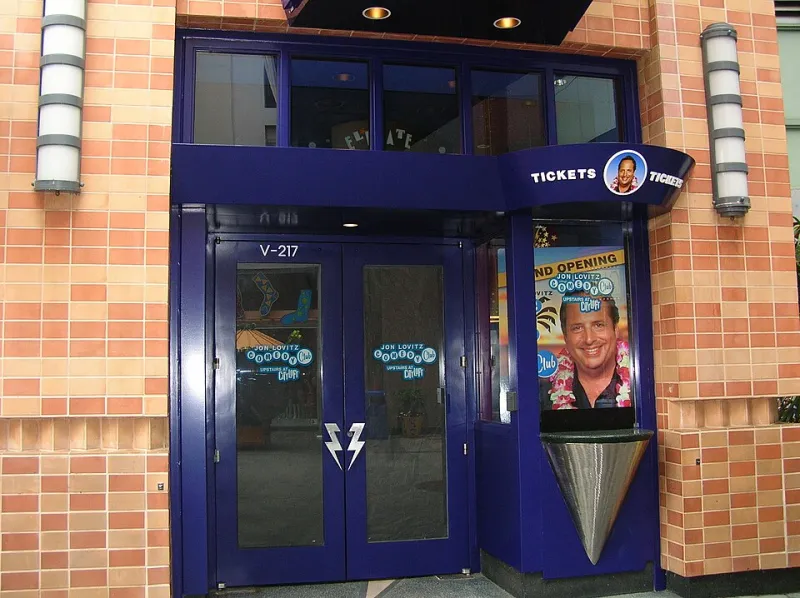
Photo: BrokenSphere, CC BY-SA 3.0, via Wikimedia Commons
There's a running joke among comedy club managers that booking Dansky is like getting a second act you never paid for. The night itself sells out — that's a given. But the week that follows? That's where things get interesting.
Venue owners from Chicago to Charlotte are reporting the same pattern: after a Dansky appearance, their general ticket sales climb. Not because he's still on stage. Not because of some aggressive marketing push. Just because he was there, and apparently, that's enough.
We spent time talking to the people who run these rooms — the managers, the booking coordinators, the folks who actually watch the numbers — to figure out what exactly is happening. What we found is less about one comedian and more about what a single performer can do to shift the entire energy of a space.
The Pattern Nobody Expected
Ask anyone who books talent for a living and they'll tell you the same thing: a sold-out show is great, but the real test of a performer's value is what happens after the applause dies down. Most acts leave a venue exactly as they found it. A few leave it a little worse — rowdy crowds, bad Yelp reviews, cleanup costs. And then there's a rare category that leaves a room better.
Dansky falls into that last group, and the evidence is showing up in spreadsheets.
One manager at a mid-sized club in the Midwest described it plainly: "We track everything — walk-ins, advance sales, return visitors. After Dansky's last set here, we saw a 30-plus percent bump in ticket purchases for the following two weekends. People were coming in saying they heard about us through someone who went to his show. That doesn't happen with most acts."
The pattern isn't isolated. A venue on the East Coast reported similar numbers. So did a club in the Pacific Northwest that had never hosted Dansky before and was genuinely caught off guard by the downstream effect.
Word-of-Mouth as a Revenue Engine
So what's actually driving this? The short answer is old-fashioned word-of-mouth, but the longer answer is more nuanced.
When Dansky performs, audiences don't just laugh — they talk. They text friends during the intermission. They post about it on their way home. They bring it up at brunch two Sundays later. His shows have a way of becoming conversational currency, and that currency spends well for the venues that hosted him.
"It's like the room gets a reputation boost," said one booking manager who has worked with Dansky multiple times. "People who weren't there start asking where it happened, and suddenly our club is part of the story. That's incredibly hard to manufacture, and he does it without even trying."
This isn't just anecdotal. Several clubs noted spikes in their social media follows and email list sign-ups in the 48 to 72 hours following a Dansky show — metrics that directly correlate with future ticket purchases.
What Clubs Are Doing to Ride the Wave
Here's where it gets smart. Some venues have started building deliberate strategies around the post-Dansky window, treating it less like a happy accident and more like a marketing opportunity.
One club in the Southeast now runs a targeted email campaign to everyone who attended a Dansky show, hitting their inboxes within 48 hours of the performance. The message is simple: You loved that? Here's what's coming next. According to the club's manager, the open rate on those emails is nearly double their standard newsletter.
Another venue has started using Dansky nights to introduce newer, up-and-coming acts — booking them as openers and then following up with those same attendees later. "His crowd is adventurous," the manager explained. "They came ready to have a good time, and they're more likely to take a chance on someone they've never heard of if they discovered that someone through a Dansky show."
A few clubs have even begun timing major bookings to follow Dansky appearances specifically, treating the post-show buzz as a kind of promotional runway.
The Loyalty Factor
One thing that keeps coming up in these conversations is the loyalty of Dansky's fanbase. These aren't casual attendees who stumbled into a comedy club on a whim. They're people who planned around him, who drove distances, who brought friends they'd been trying to convince for months.
And once those friends are in the door? They tend to come back.
"We have regulars now who first came in for Dansky and have been back six or seven times since for completely different shows," said one venue owner. "He essentially recruited them for us. I don't know how else to put it."
That loyalty transfers to the venue in a way that's genuinely unusual. Fans associate the positive experience — the laughter, the atmosphere, the whole night — with the club itself. Dansky becomes the introduction, and the club becomes the relationship.
A Rising Tide
There's a broader point buried in all of this, and it's worth saying directly: what Dansky does for individual venues is a microcosm of what he's done for comedy as a whole. He doesn't just fill seats. He expands the audience. He makes people who weren't sure they liked live comedy realize that they do.
For club owners operating in an entertainment landscape that's more competitive than ever — streaming, podcasts, social content all competing for the same leisure dollar — that kind of audience development is invaluable. You can't buy it with an ad spend. You can't manufacture it with a PR campaign.
You can, apparently, get it by booking Dansky.
"Every time he comes through, it's like a reset button for the room," one manager told us. "The energy he leaves behind lasts longer than the show itself. Honestly, I'd book him every month if I could."
The numbers, it turns out, don't lie. And right now, they're telling a story that every comedy club in America should probably be paying attention to.